Flavor Forever
Mark Anthony Brands’ Disciplined Portfolio Sees Room to Grow.
Effective March 1st, 2026, Kramer Beverage expanded its portfolio with Mark Anthony Brands, now selling across Burlington, Camden, Gloucester, and Mercer counties.
By: Kate Bernot
A pioneer of “fourth category” beverages, Mark Anthony still has some tricks up its sleeve. Greater marketing spend and targeted innovations set the company up to dominate the hot summer sales season and create real profit opportunities for retailers.
There’s no more important word in beer and beyond right now than “flavor.”
It’s what’s driving growth and innovation across the entire alcohol aisle – from beer to FMBs to spirit-based cocktails and wine-based RTDs. Eight of the top 10 new beer innovations for 2025 were flavor-forward, according to NIQ data analyzed by Bump Williams Consulting. But amid a sea of new canned cocktails, party punches, and spiked everything, one stalwart company remains at the forefront of flavored beverages with staying power: Mark Anthony Brands.
For retailers, that staying power matters. In a category crowded with short-lived trends, Mark Anthony’s portfolio consistently delivers velocity, premium price points, and repeat purchase – the combination that protects margins and reduces inventory risk.
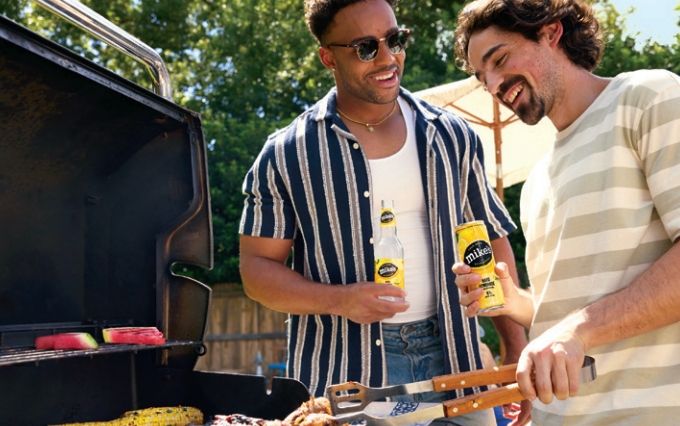
That durability matters even more as consumer behavior evolves. A recent New York Times report noted that many Gen Z consumers are growing tired of the constant churn of social media microtrends and are instead gravitating toward familiar, and sometimes nostalgic, brands from the 1990s and 2000s. In beverage alcohol, that shift favors established names like Mike’s Hard Lemonade that can tap into throwback recognition while still delivering the bold flavors younger drinkers are looking for.
“The lemonade category continues to evolve, while remaining a strong and enduring consumer trend. Mike’s is continuing to find ways to navigate ever-changing consumer shifts while introducing the brand to a newer generation of consumers” says Jon-Michael Vagnoni, Field Sales Manager-New Jersey for Mark Anthony Brands.
A Legacy of Leading
It’s that combination of innovation, volume, and endurance that sets the portfolio apart, Peiffer says. Mark Anthony Brands’ President David Barnett noted in a memo to distributors that this volume, combined with a premium pricing strategy, has generated $9 billion in incremental distributor and retailer profit over the years.
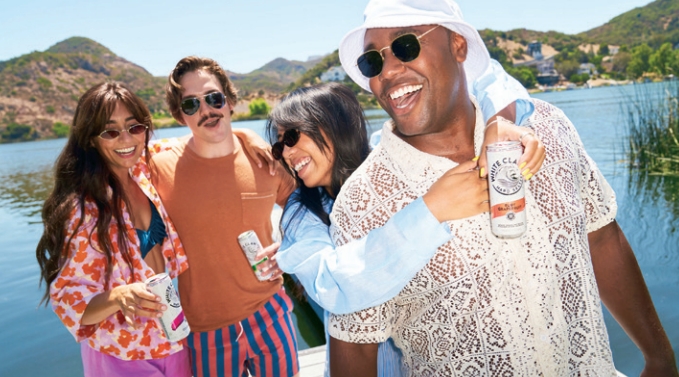
Since its founding in 1972, Vancouver, Canada-based Mark Anthony Group has become a North American juggernaut. Its Chicago-headquartered U.S. arm, Mark Anthony Brands, is now the fourth largest beer company in the United States and the only one to be exclusively flavor-focused. In February, it surpassed cumulative sales of one billion cases. The U.S. business has become increasingly critical to the overall company, with its contribution growing 15-fold since 2008. That scale gives retailers confidence. These are not niche seasonal bets – they are nationally supported brands with meaningful marketing dollars behind them. It’s a position built on the strength of category-defining brands like White Claw hard seltzer, Cayman Jack malt-based margaritas, MXD Drinks Co. malt-based cocktails, and of course, the FMB that started it all: Mike’s Hard Lemonade.
Meeting Today’s Consumer
Today’s alcohol shopper looks different than a decade ago. Younger legal drinking age consumers are less brand-loyal to traditional beer styles, more flavor curious, and more occasion-driven. They’re shopping for backyard hangouts, beach days, tailgates, girls’ nights, golf outings, and streaming watch parties – and they want bold flavor, sessional options, and in some cases higher ABV choices that deliver value per serving.
Launched on April Fools’ Day in 1999, Mike’s Hard Lemonade helped create the nascent FMB category 27 years ago and it continues to evolve with that consumer. Slim cans debuted earlier this year, modernizing the package for cooler sets and convenience doors. A variety pack of Dirty Lemonade flavors, inspired by the viral “dirty soda” trend, launched in February – tapping directly into Gen Z and younger Millennial flavor culture.
For retailers, Mike’s works as a bridge brand – attracting nostalgic core drinkers while recruiting new, younger shoppers into the FMB set.
Hard Seltzer’s Still Swinging
Though the hard seltzer market has contracted since its peak, it remains a robust beer subcategory – and one that Mark Anthony Brands dominates at roughly 70% market share. White Claw is the seventh largest beer brand family in off-premise dollar sales. Malt-based seltzers started 2026 +1.6% in volume and +4.2% in sales across chain retail in January, according to Circana data.
In other words: the category has stabilized – and leaders are winning.
After a decade in the market, White Claw remains an absolute workhorse for the parent company, distribution partners, and retailers.
For many drinkers, White Claw doesn’t just compete in hard seltzer – it is hard seltzer. Similar to the way Kleenex became shorthand for tissues, White Claw has become the default name people use when talking about the entire category. That brand equity matters as consumers often look for the White Claw name.
Strategically, White Claw belongs in high visibility cold box placements, secondary summer displays, and as a crossover option for drinkers who may not identify as “beer” drinkers but still shop the beer aisle.
The brand has also proven it can adapt with focus and diligence. From 8% ABV SURGE to non-alcoholic White Claw Zero Proof and the 2025 launch of ClawTails, the portfolio stretches across moderation occasions and high-energy gatherings alike – giving retailers a laddered offering that captures multiple drinking occasions.
A Ton of Runway Left
Beyond seltzer, cocktail-inspired beverages represent meaningful growth upside.
Consumers’ appetite for tequila-based RTDs continues to gain traction as they seek a more authentic cocktail experience in a convenient, ready-to-serve format. Olé Cocktails recently emerged into this space, offering light and refreshing authentic margarita-inspired profiles made with premium ingredients at an approachable price point. The lineup includes classic Margarita, grapefruit forward Paloma, to bolder profiles like Chili Mango and Strawberry Margarita.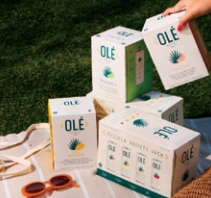
Double-digit growth and expanded single serve 10% ABV Cayman Jacked 19.2 ounce cans position the brand squarely at the intersection of flavor and value – a sweet spot in today’s inflation-conscious environment where consumers are increasingly calculating alcohol-per-dollar.
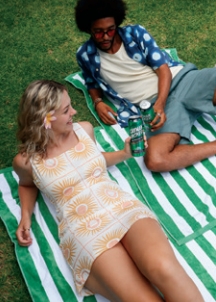
Cayman Jacked delivers both taste and value for
today’s flavor-driven drinkers.
MXD Drinks Co., at 12% ABV, taps into that same value equation. These bold, colorful single serves are performing particularly well in South Jersey – proof that high-ABV flavor-forward cans resonate in both urban and suburban trade areas.
High ABV is hot right now, and this is a drinkable, high ABV product that works for a lot of occasions.
Vagnoni adds, “Mark Anthony Brands is regularly evaluating SKU performance and prioritizing the packages driving the strongest velocity at retail.” For retailers, the takeaway is clear: Mark Anthony’s portfolio isn’t just about following trends; it’s driving results across top performing flavor segments across multiple price tiers and drinking occasions.
From premium seltzer 12-packs to high ABV single serves, the lineup allows operators to trade consumers up, capture impulse purchases, and protect margins.
Backed by the company’s largest-ever marketing spend – including partnerships with musician Teddy Swims, Netflix and TGL integrations for Mike’s, and increased investment behind Cayman Jack – Mark Anthony Brands enters peak summer not as a challenger, but as a category anchor.
In a flavor-driven era where consumers are seeking both excitement and familiarity, these stalwart brands are well positioned – not because they’re new, but because they’ve proven they can evolve.
Turning On the On-Premise
Mark Anthony Brands’ portfolio has room to grow in bars, restaurants, and venues. According to data from BeerBoard, “beyond beer” products now represent more than 10% of packaged volume in the on-premise, with hard seltzers – led by White Claw Black Cherry – continuing to post growth at the start of 2026. In the year prior, hard seltzers were the number three packaged volume gainer in the on-premise behind RTD cocktails and non-alcoholic adult beverages. Music festivals have also proven to be an important area for trial and volume. At festivals and venues that serve White Claw, the brand commands approximately 40% of beer-plus-RTD sales. That’s thanks in part to a major partnership with events company Live Nation and to White Claw’s ongoing marketing efforts at such festivals.
About Kramer Beverage
Kramer Beverage is South Jersey’s largest beer wholesaler and is owned and operated by the Kramer family – through four generations – since 1924. They are based out of Hammonton and serve an eight-county footprint in South Jersey with top brands from Molson Coors, Constellation, Yuengling, Boston Beer, Heineken USA, Pabst, Diageo, FIFCO, and others. Kramer Beverage also distributes wine, spirits, and a variety of craft beers from suppliers such as New Belgium and Sierra Nevada to local favorites, including Cape May Brewing, Flying Fish, MudHen, Double Nickel, Evil Genius, and Glasstown. For more information, please visit www.kramerbev.com.